
Small and mid-sized manufacturers across Europe face mounting pressure from rising steel costs, complex carbon regulations, and global supply chain disruptions. The introduction of the Carbon Border Adjustment Mechanism (CBAM) in 2026 adds a new layer of cost and compliance complexity to steel procurement decisions. Navigating these challenges requires strategic supplier selection, proactive carbon footprint management, and agile supply chain optimization. This guide delivers actionable steel supply tips to help you reduce costs, ensure regulatory compliance, and build a resilient procurement strategy that positions your business for sustainable growth in today's volatile market.
Table of Contents
- 1. Understand Regulatory Impacts And Compliance Requirements
- 2. Evaluate Supplier Carbon Footprints And Their Cost Impact
- 3. Optimize Supplier Portfolios And Freight Logistics For Cost Efficiency
- 4. Navigate Market Disruptions And Safeguard Your Supply Chain
- How Borvanta Materials Can Support Your Steel Supply Needs
- Frequently Asked Questions
Key takeaways
| Point | Details |
|---|---|
| Master CBAM compliance | Understanding carbon pricing and emissions reporting prevents costly penalties and informs smarter supplier choices. |
| Compare supplier carbon footprints | Production method differences create cost gaps of €100-€160 per tonne, making low-carbon suppliers more competitive. |
| Optimize freight and logistics | Digitalized tracking and strategic carrier consolidation cut freight costs while improving supply chain transparency. |
| Monitor market disruptions | Steel derivative imports and EU safeguards threaten supply reliability, requiring flexible sourcing strategies. |
| Partner strategically | Working with suppliers who understand regulations and offer competitive pricing delivers both cost savings and compliance confidence. |
1. Understand regulatory impacts and compliance requirements
The Carbon Border Adjustment Mechanism (CBAM) fundamentally changes how you evaluate steel suppliers in 2026. This EU regulation places a carbon price on imported goods based on their embedded emissions, directly impacting your procurement costs and supplier competitiveness. Manufacturers who ignore CBAM face financial penalties and supply chain disruptions that can cripple operations.
CBAM requires accurate greenhouse gas data collection across your supply chain. You must track emissions from steel production, calculate carbon costs, and purchase CBAM certificates to cover the carbon footprint of imported materials. The regulation applies to both direct emissions from manufacturing and indirect emissions from electricity consumption. Missing deadlines or submitting inaccurate data triggers substantial fines that quickly erode any cost savings from choosing cheaper suppliers.
Compliance demands systematic emissions reporting and transparent supplier relationships. You need detailed production data from every steel supplier, including fuel sources, energy mix, and manufacturing processes. Many small manufacturers struggle to gather this information because suppliers lack robust tracking systems or resist sharing proprietary data. Implementing robust data collection becomes your competitive advantage, allowing you to accurately forecast costs and negotiate better terms.
Successful CBAM navigation requires these essential steps:
- Establish clear communication channels with suppliers for emissions data exchange
- Implement digital tracking systems that capture carbon data at every supply chain node
- Schedule quarterly reviews of supplier carbon performance and regulatory updates
- Build buffer inventory to manage potential supply disruptions during compliance transitions
Pro Tip: Partner with specialized consultants or adopt industry-standard carbon accounting tools to estimate emissions when supplier data is incomplete. These resources help you maintain compliance while building supplier relationships that eventually deliver complete transparency. Consider steel sheets 10mm suppliers who already provide detailed carbon documentation as a starting point for your compliant supply chain.
2. Evaluate supplier carbon footprints and their cost impact
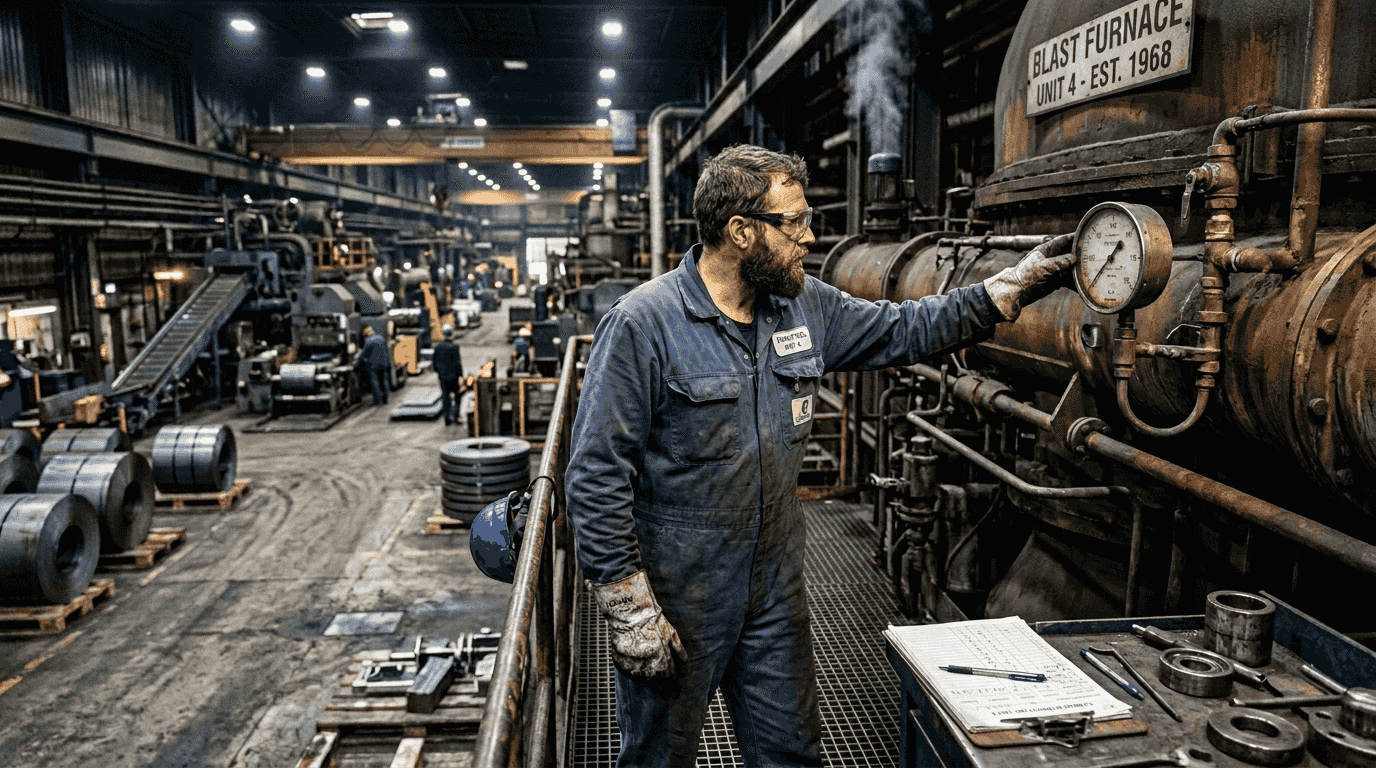
Steel production methods create dramatically different carbon footprints that translate directly into your procurement costs through CBAM pricing. Traditional blast furnace-basic oxygen furnace (BF-BOF) operations generate roughly 2.0-2.3 tonnes of CO₂ per tonne of steel, while direct reduced iron electric arc furnace (DRI-EAF) methods produce 1.2-1.5 tonnes, and scrap-based EAF processes emit just 0.4-0.6 tonnes. These differences matter because CBAM-driven cost gaps reach €100-€160 per tonne at current carbon prices of €80 per tCO₂.
Understanding production routes helps you predict total landed costs beyond quoted prices. Around 70% of global steel production still relies on BF-BOF methods, making these suppliers common but increasingly expensive under carbon regulations. Switching to lower-carbon suppliers immediately reduces your CBAM certificate costs while future-proofing your supply chain against rising carbon prices.
| Production Method | Typical Emissions (tCO₂/tonne) | CBAM Cost at €80/tCO₂ | Total Cost Impact |
|---|---|---|---|
| BF-BOF (traditional) | 2.0-2.3 | €160-€184 | Highest baseline + carbon cost |
| DRI-EAF (gas-based) | 1.2-1.5 | €96-€120 | Medium baseline + moderate carbon cost |
| Scrap-EAF (recycled) | 0.4-0.6 | €32-€48 | Lower baseline + minimal carbon cost |
Each supplier type offers distinct advantages and trade-offs:
- BF-BOF suppliers provide consistent quality and large volumes but carry the highest carbon penalty and face greatest regulatory pressure
- DRI-EAF operations balance quality with moderate emissions, offering a middle path as the industry transitions
- Scrap-EAF facilities deliver the lowest carbon costs and support circular economy goals but may have limited capacity and variable material availability
Pro Tip: Request detailed carbon intensity certificates from potential suppliers during RFQ processes. Suppliers who readily provide this documentation typically have better internal systems and pose lower compliance risk. Prioritizing industrial materials supply partners with transparent carbon reporting reduces your administrative burden while securing the most competitive total costs in a carbon-constrained market.
3. Optimize supplier portfolios and freight logistics for cost efficiency
Strategic supplier portfolio management amplifies the cost savings from carbon-conscious procurement decisions. CBAM exposure becomes a supply-chain optimization problem where you balance carbon costs, freight expenses, quality requirements, and supply reliability across multiple vendors. Concentrating purchases with fewer, strategically selected suppliers who excel in their core competencies typically reduces both unit costs and administrative overhead.
Freight costs represent a significant but often overlooked component of total steel procurement expenses. Many manufacturers accept inefficient logistics arrangements because they lack visibility into actual transportation costs and carrier performance. Digitalized tracking and tracing transforms freight from a black box into a managed cost center, revealing opportunities to consolidate shipments, negotiate better rates, and eliminate redundant service providers.
Follow these steps to analyze and optimize your freight operations:
- Map all current freight routes, carriers, and associated costs per tonne-kilometer
- Identify consolidation opportunities where multiple small shipments can combine into full truckloads
- Benchmark carrier rates against market standards and renegotiate contracts with performance data
- Implement digital tracking systems that provide real-time visibility and automatic cost allocation
- Establish KPIs for on-time delivery, damage rates, and cost per tonne to drive continuous improvement
| Approach | Cost Transparency | Freight Efficiency | Administrative Burden | Carbon Tracking |
|---|---|---|---|---|
| Traditional (multiple carriers, manual tracking) | Low | 60-70% utilization | High | Minimal |
| Optimized (consolidated carriers, digital systems) | High | 85-95% utilization | Low | Comprehensive |
Specialization and volume concentration deliver compounding benefits:
- Fewer suppliers mean stronger relationships and better negotiating leverage for both pricing and service terms
- Volume commitments unlock tier pricing and priority allocation during supply shortages
- Reduced complexity lowers administrative costs and minimizes errors in ordering and invoicing
- Specialized suppliers bring deeper technical expertise and can recommend cost-saving material substitutions
Transparency over freight structures and costs is essential for efficient procurement. Hidden fees, unclear pricing mechanisms, and poor communication with logistics providers create budget overruns and prevent accurate total cost analysis. Demand itemized freight quotes and regular performance reports from all carriers. This visibility allows you to make informed decisions about when to switch providers, renegotiate terms, or adjust order quantities to optimize shipping costs. Working with industrial materials supply partners who provide integrated logistics solutions simplifies this process while ensuring cost efficiency.
4. Navigate market disruptions and safeguard your supply chain
Steel derivative imports have surged in recent years, creating new competitive pressures and supply chain vulnerabilities for European manufacturers. These derivatives, such as pre-fabricated components and semi-finished steel products, often enter the EU at lower prices but threaten over 3 million industrial jobs by undermining domestic steel production and downstream manufacturing. The influx disrupts traditional supplier relationships and forces manufacturers to constantly reassess sourcing strategies.
New EU steel safeguards compound these challenges by restricting import volumes and imposing additional tariffs on steel products exceeding quota limits. While intended to protect European steelmakers, these measures unduly restrict access to competitively priced steel and create severe administrative burdens for manufacturers who depend on diverse international supply sources. The safeguards increase costs, reduce supplier options, and introduce uncertainty that complicates long-term procurement planning.
"The EU steel safeguards generate devastating administrative complexity while failing to address the real competitive threats facing European manufacturers. Companies now face both higher costs and reduced access to the materials they need to compete globally."
Adapt your supply chain with these risk mitigation strategies:
- Diversify your supplier base across multiple countries and regions to reduce dependence on any single source
- Establish framework agreements with backup suppliers who can quickly scale up if primary sources face disruptions
- Monitor trade policy developments and regulatory changes through industry associations and trade publications
- Build strategic inventory buffers for critical steel grades where supply disruptions would halt production
- Develop relationships with domestic and near-shore suppliers who offer greater supply security despite potentially higher baseline costs
Market volatility in steel pricing stems from multiple factors including raw material costs, energy prices, currency fluctuations, and geopolitical tensions. You cannot eliminate this volatility, but you can manage exposure through flexible sourcing arrangements and proactive market monitoring. Track steel price indices, commodity markets, and industry forecasts to anticipate cost movements and time major purchases strategically.
Flexible sourcing means maintaining qualified suppliers across different price tiers and production methods. When spot market prices spike, you can shift volume to suppliers with fixed-price contracts or alternative materials that meet your specifications. When markets soften, you can increase spot purchases to capture savings. This agility requires ongoing supplier relationship management and regular qualification of new sources before you need them urgently. Review your product catalog options quarterly to identify alternative materials and suppliers that provide optionality when market conditions shift.
How Borvanta Materials can support your steel supply needs
Navigating CBAM compliance, optimizing carbon footprints, and managing supply chain disruptions requires a partner who understands both the regulatory landscape and the practical realities of cost-effective procurement. Borvanta Materials specializes in providing competitively priced steel products and industrial raw materials to small and mid-sized European manufacturers facing exactly these challenges.
Our comprehensive industrial materials catalog includes steel sheets, raw materials, and specialty products sourced to meet EU compliance requirements while delivering significant cost advantages. We maintain transparent relationships with suppliers who provide detailed carbon documentation, enabling you to accurately forecast CBAM costs and make informed procurement decisions. Our team actively monitors regulatory developments and market conditions, providing guidance that helps you adapt your supply strategy as the landscape evolves.
We offer tailored supply chain solutions that balance cost, compliance, and reliability. Whether you need steel sheets 10mm for immediate production or strategic sourcing support for long-term planning, our expertise helps you secure the materials you need at prices that protect your margins. Small manufacturers benefit from our focus on accessible pricing and straightforward commercial terms that larger suppliers often reserve for enterprise customers. Partner with Borvanta Materials to build a resilient, cost-effective steel supply chain for 2026 and beyond.
Frequently asked questions
What is the Carbon Border Adjustment Mechanism (CBAM)?
CBAM is an EU regulation that places a carbon price on imported goods based on their embedded greenhouse gas emissions. It levels the competitive playing field by ensuring imported products face similar carbon costs as EU-produced goods. For steel manufacturers, CBAM requires purchasing certificates that cover the carbon footprint of imported materials, directly impacting procurement costs and supplier selection decisions.
How does CBAM affect steel suppliers and buyers in Europe?
CBAM increases costs for high-carbon steel imports, making low-emission suppliers more competitive. Buyers must collect detailed emissions data from suppliers and purchase CBAM certificates to cover carbon content. Suppliers who cannot provide accurate emissions documentation become less attractive partners. The mechanism shifts procurement decisions toward carbon-efficient producers and rewards manufacturers who build transparent, low-carbon supply chains.
What practical steps ensure CBAM compliance?
Start by establishing clear emissions data requirements with all steel suppliers and implementing digital tracking systems that capture carbon information at each supply chain stage. Request carbon intensity certificates during supplier qualification and build quarterly review processes to monitor performance. Work with specialized consultants when supplier data is incomplete, and maintain buffer inventory to manage potential disruptions during compliance transitions. Proactive monitoring and transparent supplier relationships form the foundation of successful CBAM compliance.
How can I manage supplier carbon footprints and freight costs simultaneously?
Integrate carbon footprint analysis into your total cost of ownership calculations that include freight expenses. Choose suppliers whose production methods minimize emissions while optimizing logistics through consolidated shipments and digitalized tracking. Prioritize suppliers who offer integrated solutions covering both low-carbon production and efficient delivery. This holistic approach reveals the true cost advantage of different supplier combinations and prevents optimizing one factor while undermining another.
What strategies help manage steel derivative imports and safeguard impacts?
Diversify your supplier base across multiple regions to reduce dependence on any single source affected by import restrictions. Establish framework agreements with backup suppliers and monitor trade policy developments through industry associations. Build strategic inventory buffers for critical materials and develop relationships with domestic suppliers who offer greater supply security. Flexible sourcing arrangements and proactive market monitoring allow you to adapt quickly when safeguards or derivative import patterns shift.
Why should small manufacturers prioritize carbon-efficient steel suppliers now?
Carbon prices will continue rising as EU climate policies tighten, making early adoption of low-carbon suppliers a strategic cost advantage. Suppliers who already provide detailed emissions documentation demonstrate operational sophistication and lower compliance risk. Building these relationships now secures preferential access and pricing before larger competitors shift their procurement strategies. Early movers capture cost savings, reduce regulatory exposure, and position themselves as preferred customers with the most efficient suppliers in a carbon-constrained future.